

Recovering from an injury is not the same as it was before. Traditional methods usually involve a lot of rest, stretching, and general advice. Modern protocols can achieve faster, more complete results with less pain and a considerably lower risk of re-injury.
You’ll find these new methods at physiotherapy and rehabilitation Oakville clinics that have been incorporated into their therapeutic centers.
1. Personalized Treatment Plans
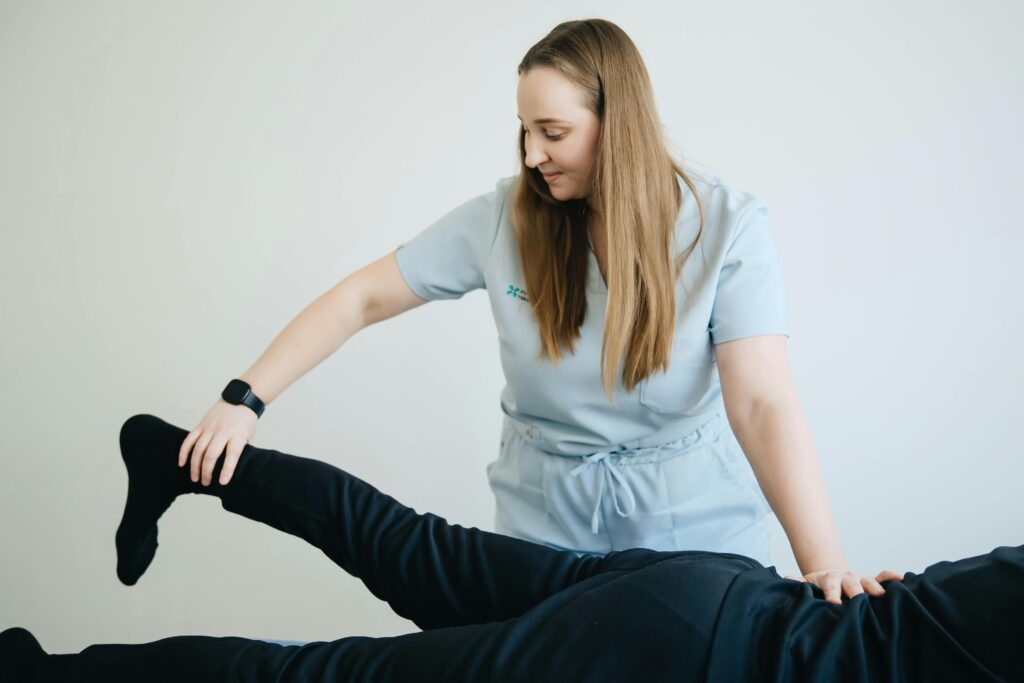
The idea that a single program can suit everyone is actually a time waster. Nowadays, centers draw up plans that take into account a client’s age, injury type, fitness level, and goals. The detailed assessments help plan the course of treatment in step-by-step detail.
2. Early Active Movement
In the past, people were told to keep still for a couple of weeks to heal. These days, patients are encouraged to engage in gentle movement after a short recovery period. Light exercise is known to help repair tissues more quickly and prevent the formation of scar tissue.
3. Dry Needling
Sometimes deeply knotted muscles can hold back your progress. One effect of dry needling is that it temporarily numbs the area, causing muscle relaxation at high levels of stimulation. It also helps reduce pain while increasing oxygen supply to the muscles through improved blood circulation. Most people only need one or two personalized treatments before their symptoms start to improve.
4. Extracorporeal Shockwave Therapy
Tendon injuries that have been around for a long time don’t usually respond well to treatments like rest and ice. The sound waves generated by Shockwave therapy break up scar tissue and prompt the body to renew itself. Recent clinical studies have shown that such treatment has an impressive success rate of over 80% even for patients whose conditions have stubbornly resisted traditional therapies.
5. Low-Level Laser Therapy
Heat and ice only provide temporary relief to symptoms. Cold laser therapy, on the other hand, initiates cell repair at the molecular level and can also reduce inflammation. This treatment can accelerate healing not only of sprains and strains but also of post-surgical recovery, without drugs or side effects.
6. Aquatic Therapy
Land-based physical activities can sometimes overwork joints that are healing. When your body is in water, it feels lighter, and you can move it however you want. Water therapy helps those with lower back, knee, or hip problems get healthier and more mobile in less time and with reduced pain.
7. Blood Flow Restriction Training
Lifting heavy weights can be dangerous in the early stages of recovery. With the use of a cuff, blood flow to a muscle is restricted during exercises like lifting weights with a barely noticeable load. This triggers a process almost identical to what happens when a muscle is subjected to a heavy load.
8. Instrument, Assisted Soft Tissue Mobilization
A massage performed by hands alone can only go so far. Apps that use specialized equipment are purported to be more effective because they can break up scar tissue that is buried deeper than surface tissue.
9. Functional Movement Training
Traditional rehab focused mainly on individual muscles. Functional training involves using real-life movements from the first day. You improve your coordination through this kind of training, which goes a long way in helping you avoid an injury in the future, even better than isolated exercises do.
10. Pain Neuroscience Education
Some traditional programs do not account for how the brain processes pain. Pain neuroscience education aims to enable patients to understand why pain persists and how to manage it. Besides physical treatment, this approach is more effective than exercise alone at reducing pain in the long run.
Final Thoughts
These ten protocols serve as examples of the current research findings. Therapeutic centers in Oakville that are up to date combine them into structured rehabilitation programs. Physiotherapy and rehabilitation Oakville clinics work out the best possible combination for each patient through personalized treatment plans.
